
Top Reasons Why You Can’t Sleep at Night?
A good night’s sleep is essential for a healthy body and mind, yet many people struggle to fall asleep or stay asleep. If you are tossing and turning every night, you are not alone. Understanding the exact reasons behind sleeplessness can help you fix the issue and improve your overall well-being.
In this article, we will explore the most common reasons why you can’t sleep and what you can do to restore peaceful sleep.
1. Overactive Mind and Stress
One of the biggest reasons people can’t sleep is an overactive mind. When you lie down, your brain may start replaying the day’s events or worrying about the future. Stress, anxiety, and overthinking increase cortisol levels, a stress hormone that makes it hard to relax.
Common triggers:
- Worrying about work or finances
- Relationship stress
- Planning next day tasks
- Anxiety disorders
Start Using Yu Sleep Tonight for the Deep, Restorative Sleep Your Body Deserves!
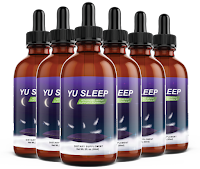
- Fall asleep faster
- Stay asleep all night without those brutal 3 AM wake-ups
- Wake up truly refreshed
- Sleeping through the night easily
2. Excessive Screen Time Before Bed
Mobile phones, laptops, and TVs emit blue light that reduces melatonin, the hormone responsible for sleep. If you scroll social media, play games, or watch videos late at night, your brain stays alert even when your body is tired.
Effects of screen time:
- Delayed sleep
- Low-quality sleep
- Difficulty waking up in the morning
3. Poor Eating and Drinking Habits
Your nighttime diet affects your sleep quality more than you think. A heavy dinner, late-night snacks, or caffeine intake can easily disrupt your sleep cycle.
Major sleep disruptors:
- Tea, coffee, or energy drinks in the evening
- Spicy or heavy meals close to bedtime
- Drinking too much water before sleep
- Sleeping on an empty stomach
Start Using Yu Sleep Tonight for the Deep, Restorative Sleep Your Body Deserves!
- Fall asleep faster
- Stay asleep all night without those brutal 3 AM wake-ups
- Wake up truly refreshed
- Sleeping through the night easily
4. Irregular Sleep Schedule
Sleeping and waking up at different times every day confuses your internal body clock (circadian rhythm). This inconsistency makes it difficult for your body to recognize when it’s time to sleep.
Common habits that cause irregular sleep:
- Staying awake late on phone or work
- Weekend late-night routines
- Long daytime naps
- Waking up late regularly
5. Uncomfortable Sleep Environment
Your bedroom environment plays a huge role in sleep quality. A room that is too hot, too noisy, or too bright can prevent your body from relaxing.
Sleep-disturbing factors:
- Uncomfortable mattress or pillow
- Room clutter
- Bright lights or LED screens
- Ambient noise or traffic
Download FREE eBook
The 3-Day “Sleep & Slim” Bedtime Detox
6. Underlying Medical Conditions
Sometimes, sleeplessness is a symptom of an underlying health issue. If you struggle with sleep for weeks without improvement, a medical check-up may help.
Possible conditions include:
- Insomnia
- Thyroid imbalance
- Vitamin D or B12 deficiency
- Sleep apnea
- Acid reflux
- Depression or anxiety
- Chronic pain
Start Using Yu Sleep Tonight for the Deep, Restorative Sleep Your Body Deserves!
- Fall asleep faster
- Stay asleep all night without those brutal 3 AM wake-ups
- Wake up truly refreshed
- Sleeping through the night easily
7. Lifestyle and Daily Habits
Your daily lifestyle has a direct impact on your sleep. Lack of physical activity or certain habits can make it harder for your body to wind down at night.
Lifestyle factors affecting sleep:
- Lack of exercise
- Exercising too late
- Excessive sugar
- Smoking or alcohol
- Shift work or jet lag
Final Thoughts
Sleeplessness is not just a nighttime problem—it affects your mood, energy, productivity, and overall health. By identifying the reasons behind your sleep struggles, you can take simple steps to create healthier sleep habits and improve your quality of life.
If sleeplessness continues for weeks or impacts your daily functioning, consider speaking with a healthcare professional.